Skip to content

Table of Contents
Acne scars can be frustrating because they do not always respond to the same things that help active breakouts. If you have tried products for months and your skin still looks uneven, you are not alone in wondering what actually changes texture.
At Hello Skin in Nampa, ID, we often see patients who want a realistic answer: can Microneedling improve acne scars, and what will it look like over time? Here is what to expect, what can limit results, and how to get the most from a plan.
What Microneedling Can Realistically Improve In Acne Scars
Microneedling works by creating controlled micro-injuries that signal the skin to repair itself. Over time, that repair process can improve the look of certain acne scars by supporting a healthier texture and more even tone. This is where many of the most talked-about microneedling benefits come from.
It helps to think in terms of improvement rather than erasing. Acne scars are changes in the skin’s structure, so the goal is usually softening edges, smoothing unevenness, and making scars less noticeable in everyday lighting.
Common improvements people notice with microneedling for acne scars include:
- Smoother skin texture, especially in areas that feel rough or uneven
- A more even-looking surface where shallow depressions are less obvious
- Better overall tone and “refined” look to the skin as it heals over time
Results vary. Scar depth, where the scars sit on the face, and how your skin responds to healing all influence what your “before and after” looks like.
Which Acne Scar Types Respond Best
Not all acne scars are built the same, and that affects outcomes. In general, microneedling for acne scars tends to work best on scars caused by uneven texture rather than sharply defined pits.
Here’s the simplest way to set expectations:
- Rolling scars often respond well because their edges are softer and the texture change is spread out.
- Some boxcar scars can respond well, especially when they are more shallow.
- Ice pick scars are usually harder to improve with Microneedling alone because they are narrow and deeper.
- Very tethered scars may improve less unless the plan includes other techniques that address the “pull” under the skin.
Why does this matter? Scar structure changes how easily the skin can remodel. If you have mostly rolling scars, you can often expect a noticeable softening and smoother look over time. If ice pick scars are the main concern, Microneedling may still help the surrounding texture, but you may need additional options for the deepest points.
What Your Results Timeline Usually Looks Like
Most people want to know how quickly they will see a change, especially if they are comparing an acne scar treatment plan to what they have tried at home.
A realistic timeline usually looks like this:
- Early on: skin may feel smoother and look more refreshed as the surface heals. Some people notice a healthy glow.
- Later on: texture changes show up gradually as the skin remodels. This is when scars often start looking softer in normal lighting.
Collagen remodeling takes time. That is why it is common to space sessions out, giving your skin time to heal and build on each treatment.
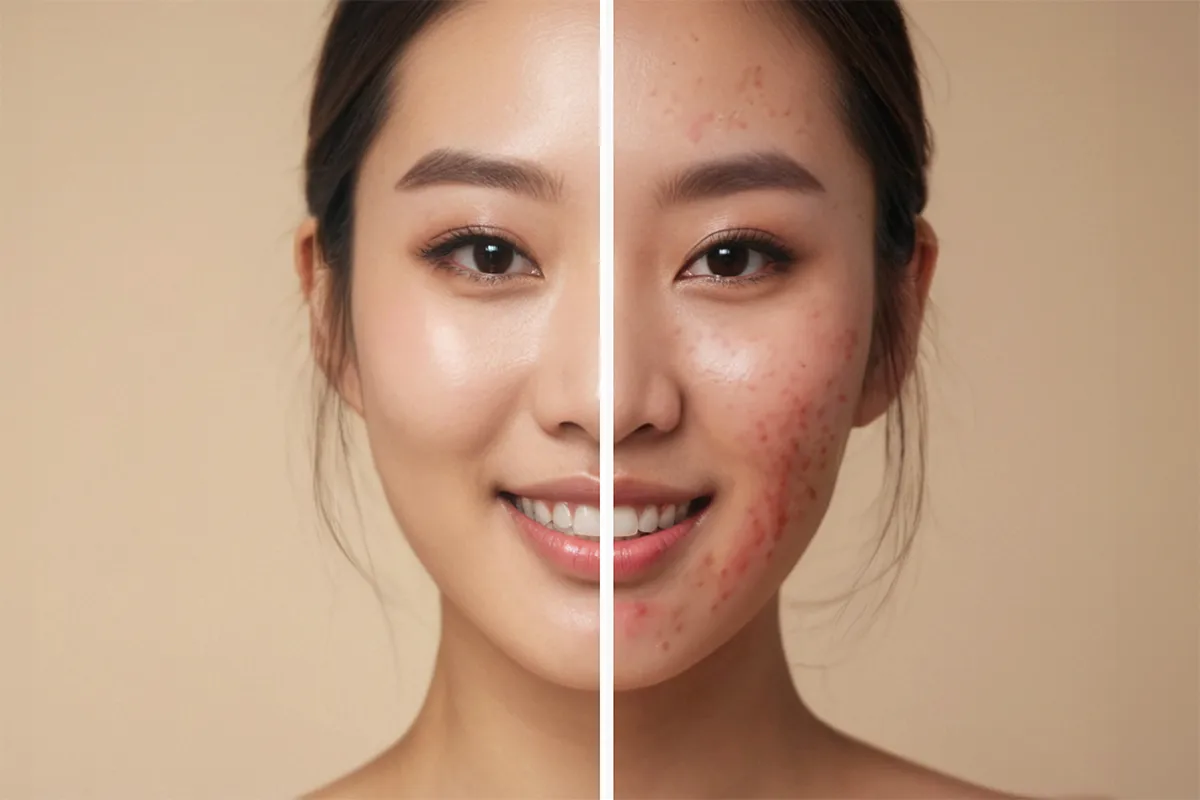
Consistency matters more than a one-time treatment. Many “acne scars before and after” changes happen because the treatments are planned as a series, not because of a single visit.
How Many Sessions It Commonly Takes To See A Meaningful Change
For most people, acne scars improve best with a series of treatments. One session can refresh the skin, but visible texture change usually builds over time.
What can affect how many sessions you need:
- Scar depth and the mix of scar types
- Skin sensitivity and how much intensity your skin can comfortably handle
- Whether acne is still active
- How your skin responds between visits
At Hello Skin, we adjust your plan based on progress as you go. Some patients also choose occasional maintenance to help keep results steady.
What Can Limit Results Or Slow Progress
If you are researching how to get rid of acne scars, it helps to know what commonly gets in the way. This is not about blame. It is about avoiding setbacks that make results take longer.
Common factors that can limit progress:
- Active breakouts that continue to create inflammation and new marks
- Sun exposure that disrupts healing and can worsen discoloration
- Picking or irritating the skin, which can trigger new marks or prolong redness
- Harsh products used too soon after treatment
- Certain medical or skin conditions that affect healing, plus some medications
If you are still breaking out frequently, you may get better results when acne is stabilized first. That gives your skin the best chance to focus on remodeling scars instead of constantly responding to new inflammation.
When Microneedling May Not Be The Best First Choice
Microneedling is a strong option for many people, but it is not always the first step for every scar pattern or skin situation.
It may not be the best starting point if:
- Your main concern is very deep ice pick scarring, and you want a bigger change at the deepest points
- Your skin is currently irritated, inflamed, or not stable enough to tolerate treatment
- Active acne is uncontrolled and frequent
In those cases, the next step is still very practical. A consultation helps identify what will move the needle for your scar type. Sometimes that means pairing microneedling for acne scars with another approach over time, or starting with acne control and barrier repair first so your skin can respond better.
Ready To Talk About Your Acne Scar Goals?
If you are considering Microneedling for acne scars, the most realistic expectation is gradual, meaningful improvement in texture and tone over a series of treatments, especially when the plan matches your scar type, and your aftercare supports healing. If you want a personalized answer for your skin and goals, Book a microneedling consultation today with Hello Skin in Nampa, ID, and we will walk you through what results you can expect and how to plan for them.